
Quick Answer
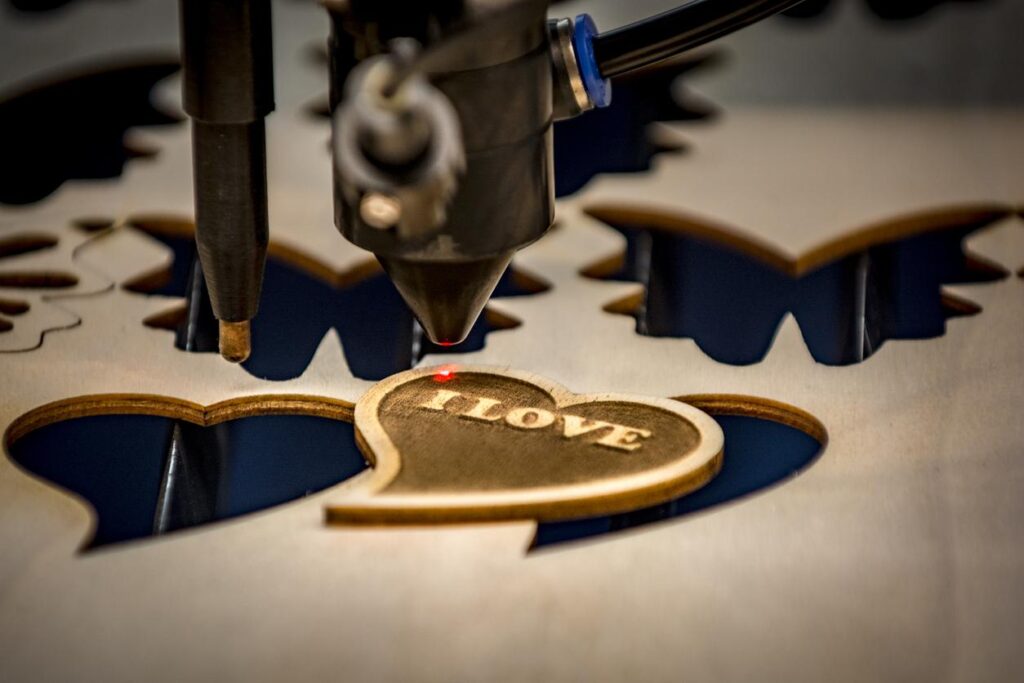
Laser engraving vs etching vs embossing comes down to how each method treats the surface. Engraving cuts material away to create recessed marks. Etching uses heat to melt and slightly raise a thin top layer. Embossing presses material upward with a die, producing raised three-dimensional shapes. Each method offers different depth, durability, and material compatibility for industrial, commercial, and decorative applications across multiple production scales.
Introduction
Choosing the wrong marking method has real consequences. A part identifier that fades within a year, a logo that loses crispness after a few cleanings, or a finish that warps thin stock can all stem from a single mismatch between process and material. Operations teams, product designers, and small fabricators face this decision constantly.
The reality is that each process serves a distinct purpose, governed by physics, material properties, and end-use requirements. Looking at how professional shops approach laser engraving projects reveals consistent technical standards around depth, beam settings, and substrate preparation. Once those fundamentals are clear, choosing the right method becomes a structured decision rather than a guess.
Breaking Down the Three Main Marketing Families
Before comparing performance, it helps to define what each technique physically does to a substrate. The types of engraving and adjacent marking categories fall into three families based on whether stock is removed, displaced upward, or pressed inward. Specification sheets in metalworking, signage, and packaging treat them as separate disciplines for that reason.
Removal Versus Surface Alteration
True engraving physically removes material from the workpiece. A focused beam, rotary bit, or cutter excavates the top layer, leaving a recessed cavity that holds ink, paint, or simply reads as a shadow.
Etching, by contrast, alters the surface without significant removal. The laser-driven version melts a thin top layer that re-raises as it cools, while the chemical variant uses an acid bath to bite into exposed regions. Functional depth diverges meaningfully here, since etched marks typically sit under 0.025 mm while carved marks routinely exceed 0.1 mm.
Where Embossing Fits
Embossing sits in a different category entirely. Rather than removing or altering, it pushes stock upward using a male and female die set under high pressure. The outcome is a raised image you can feel with a fingertip, which is why it remains the standard for premium packaging, leather goods, and certificates.
Pro Tip: When a project needs both visual contrast and tactile feedback, embossing paired with foil stamping outperforms any laser process for perceived value, though it cannot rival laser precision on small text or fine linework.
Fast Reference for Method Selection
A short list clarifies the everyday use cases:
- Carving suits serial numbers, structural identifiers, and decorative work meant to last decades.
- Surface alteration fits high-contrast logos on stainless steel, medical devices, and traceability codes.
- Pressed relief works best on packaging, paper stock, leather, and presentation pieces where touch matters.
Each method has a clear lane: permanence for carved cavities, contrast and speed for surface alteration, and texture for pressed relief across regional markets.
What Sets the Laser Process Apart Mechanically
Understanding how laser engraving works clarifies why depth, speed, and substrate response differ so dramatically across the three techniques. The mechanics drive everything from production cost to long-term legibility.
The Physics Behind the Beam
A laser unit directs a concentrated beam at the workpiece, raising local temperatures past the vaporization point. The top layer of metal, wood, or acrylic is ablated cleanly, producing a permanent recessed mark.
The surface-melting variant follows the same setup but uses lower energy density. Its beam heats the substrate enough to melt and expand it, yet not enough to vaporize. The pressed method skips heat entirely and depends on mechanical force, with a die press shaping stock between two opposing tools.
Side-by-Side Performance Snapshot
The table below summarizes the practical differences professionals weigh during specification.
|
Attribute |
Laser Engraving |
Laser Etching |
Embossing |
|
Mark Type |
Recessed cavity |
Raised micro-layer |
Raised relief |
|
Typical Depth |
0.1 to 0.5 mm |
Under 0.025 mm |
0.3 to 1.0 mm |
|
Speed |
Slower |
Fastest of the trio |
Fast at volume |
|
Tooling Cost |
Low per design |
Low per design |
High initial die cost |
|
Best Materials |
Metals, wood, stone |
Coated metals, plastics |
Paper, leather, soft metals |
These numbers shift slightly by equipment class, but the relationships hold across most production environments.
Where Each Approach Earns Its Place
In practice, the engraving vs embossing question often resolves itself once volume and substrate enter the equation. Beam-based tools offer flexibility for short runs and variable data, while pressed relief rewards long runs of one repeated design. The result is a cleaner decision framework once throughput and material behaviour are both accounted for.
Matching Mark Depth to Real-World Conditions
Depth is where most marketing projects succeed or fail. Selecting between deep engraving vs surface engraving depends on substrate hardness, expected wear, and whether the mark must survive abrasion, chemicals, or outdoor exposure over the years.
Calibrating Depth to Use Case
Deeper cavities resist wear yet introduce stress concentrations on thin or load-bearing parts. Shallow alterations preserve structural integrity but fade faster under harsh conditions. Industrial fasteners, tooling, and safety-critical components typically call for cavities above 0.25 mm, while consumer goods and decorative work perform well between 0.05 and 0.15 mm.
Substrate density also matters, since hardened steel demands more passes and slower feed rates than aluminum or brass to reach the same depth without heat distortion.
Finishing Steps That Protect the Mark
Post-process finishing is the detail many guides skip, yet it governs longevity more than depth alone. A few practical steps make a measurable difference:
Skipping these stages shortens functional life regardless of how precise the original work was.
Final Takeaways on Marking Method Selection
The right marking technique always starts with the substrate, the intended lifespan, and the production volume rather than appearance alone. Carved cavities deliver permanence, surface alteration delivers contrast at speed, and pressed relief delivers a tactile premium feel.
Weighing depth tolerances, finishing requirements, and tooling economics against the brief turns a confusing comparison into a structured choice. For specifiers comparing laser engraving vs etching and embossing, the matching method to material remains the single most reliable predictor of a clean, durable, professional result.